





Here’s a question that gets skipped over in most conversations about autonomous flight: when an aircraft’s sensors start disagreeing with each other, how does the aircraft know which one is lying?
That’s the gap SWORT Aerospace is building around. Modern aircraft and autonomous systems keep adding sensors, embedded computers, and automated decision-making, and there’s an assumption baked into all of it that more sensors mean more reliability. They don’t, not automatically. Sensors drift. They fail. They get obstructed, pick up interference, or start feeding the system information that flatly contradicts what another sensor is reporting. When that happens, something still has to decide what to trust before the aircraft makes its next move.
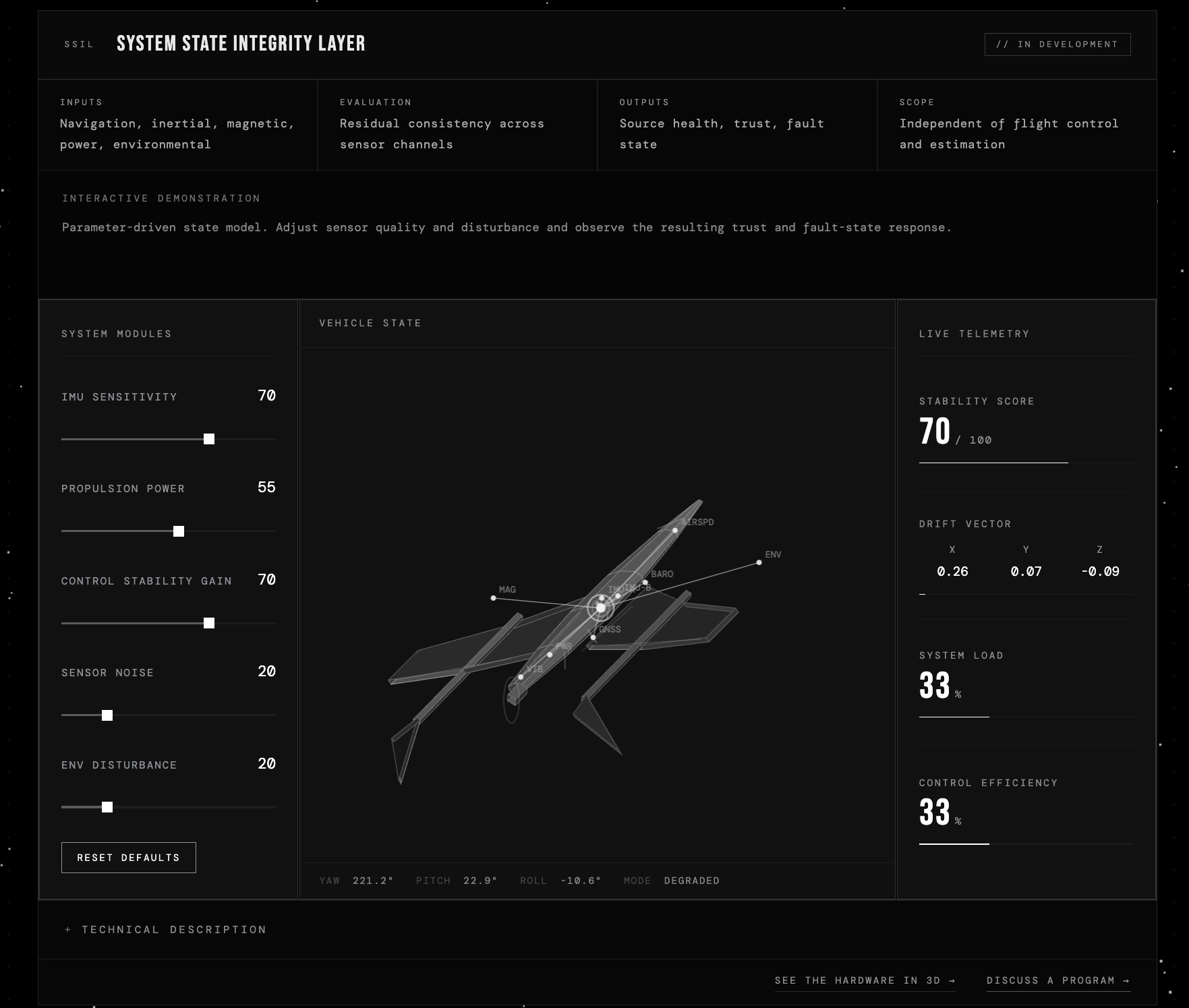
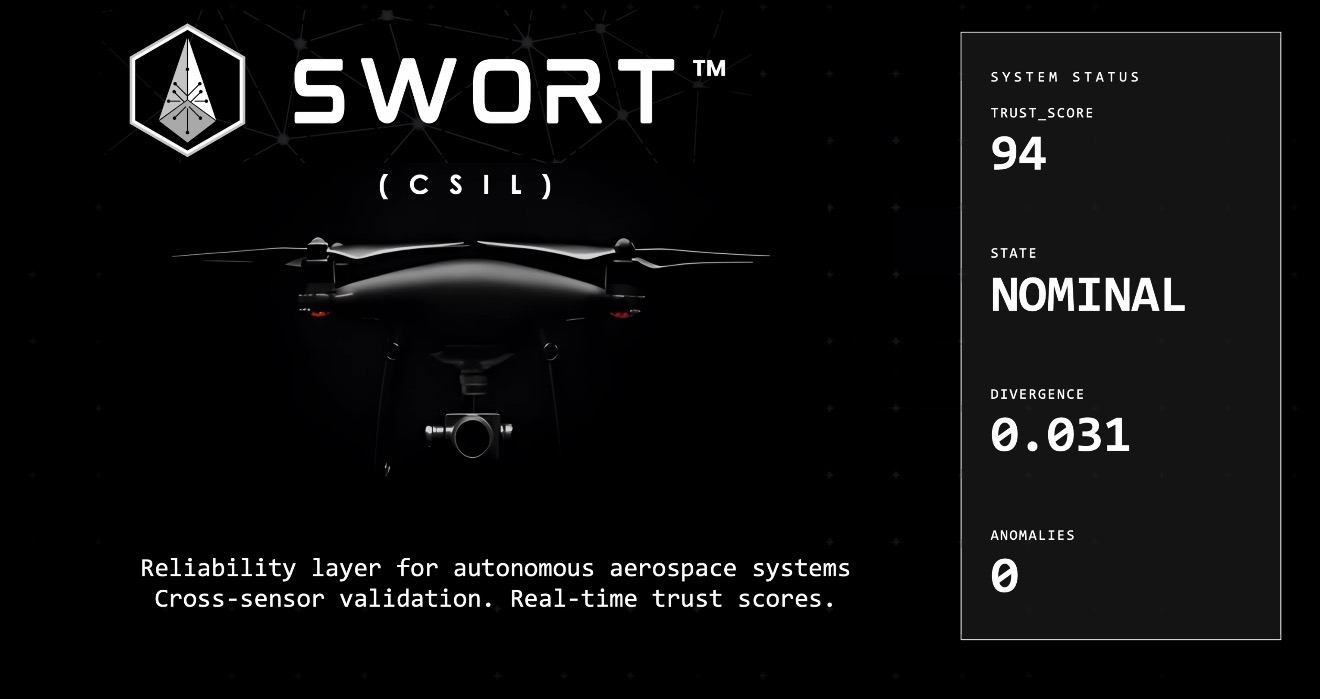
SWORT’s answer is a system called SSIL, an embedded layer that checks the aircraft’s sensors against each other in real time. It watches navigation, power, and vehicle-health inputs, flags when one of them goes unreliable, and keeps that bad data from being treated as credible. The design intent matters here: SSIL runs alongside existing flight computers and autopilots instead of asking manufacturers to rip out and replace their flight-control stack. It’s a layer, not a takeover.
What separates SWORT from the usual avionics contractor is that it isn’t selling engineering hours or isolated components as the end product. The company frames SSIL as a missing layer of aircraft intelligence, one whose entire job is deciding which data deserves trust when the sensors don’t agree. That specific focus, cross-sensor intelligence for autonomous aircraft, is where it’s staking its claim, and the underlying research carries both commercial and defense applications. SSIL is the commercial version, built for aerospace companies, researchers, and autonomous-system developers.
The technology isn’t running purely on ambition either. SWORT has tested SSIL against real flight logs and deliberately broken conditions, simulating failures across GPS, inertial sensors, magnetic interference, vibration, and power. In one internal analysis, the system caught an approximately 55-meter GPS-position inconsistency that the aircraft’s existing estimator output didn’t clearly surface. That’s the kind of gap that stays invisible until it matters, which is exactly the point.
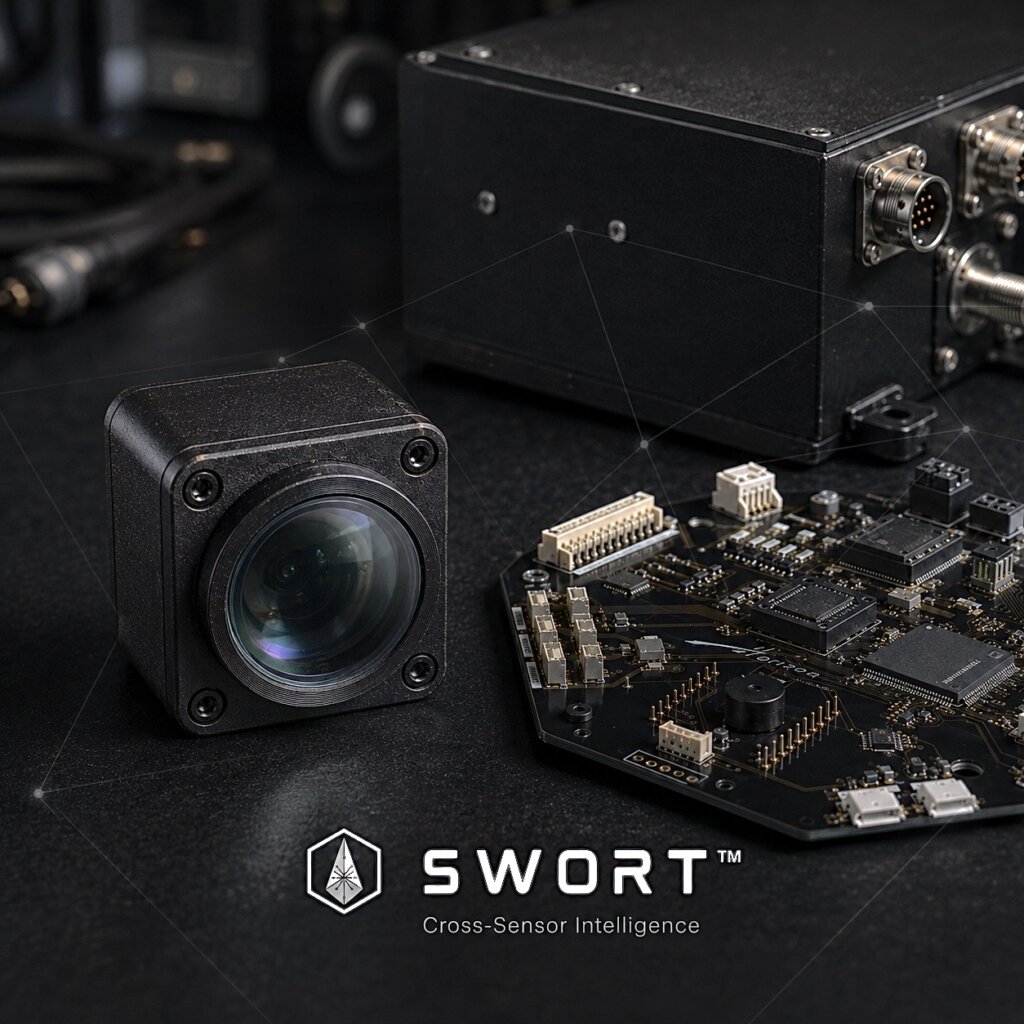
Underneath the product work, there’s a business that already functions. SWORT does paid avionics and embedded-electronics work for private clients, and those engagements have brought repeat business. The projects range from building custom flight computers to firmware, sensor integration, and system validation. That client work funds internal R&D, and it puts the company in front of the actual integration failures and hardware limitations aerospace teams run into, which then feed back into how SSIL gets built.
The company positions itself deliberately against a few things it doesn’t want to be mistaken for. It’s not a drone brand, not a general software consultancy, not a startup pinned to a single prototype. It’s federally registered, it has revenue, and it pitches itself as a credible partner across a range of engagements, from hiring the team for a one-off component to running a full development program. You don’t need a large aircraft program to work with them.
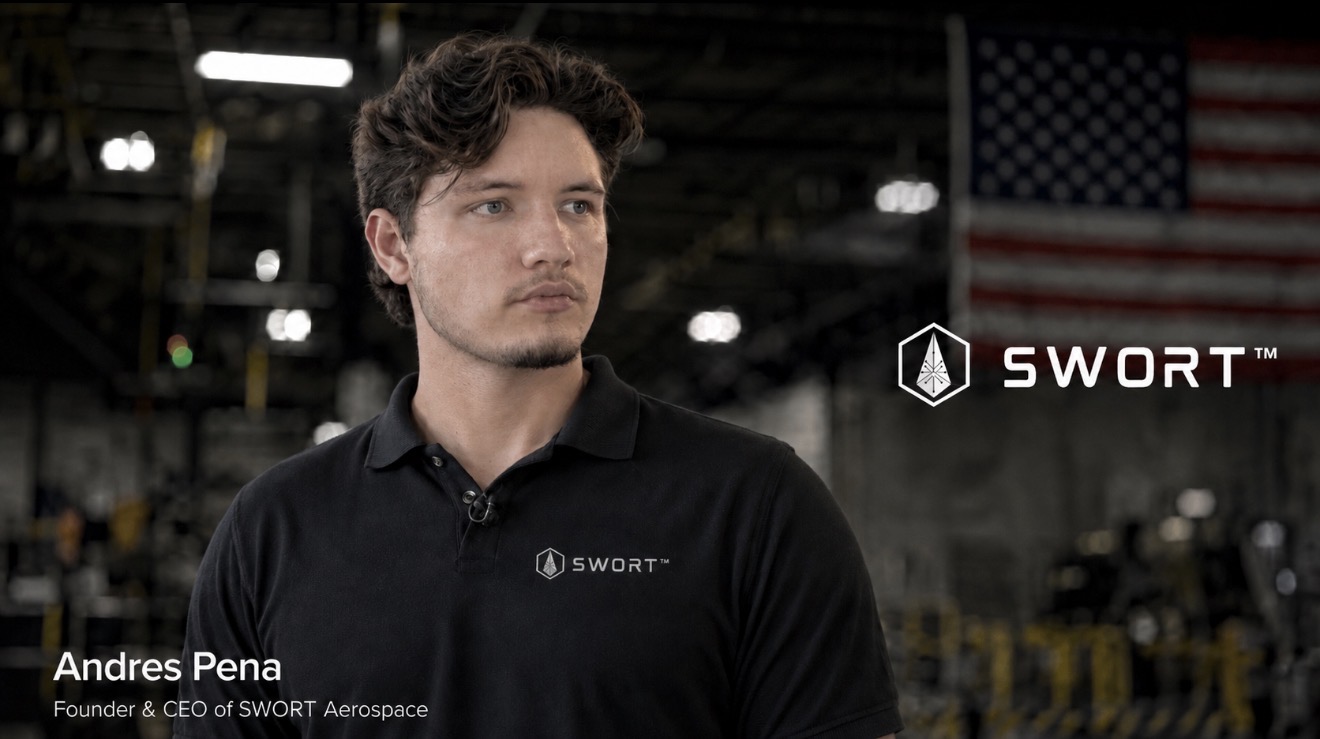
There’s also a staffing philosophy worth noting. SWORT recruits younger technical talent and puts them on serious aerospace work based on what they can execute, not on seniority or traditional credentials. The core technology was built in-house, and founder and CEO Andres Peña set the company around a single conviction: an autonomous vehicle should know when its own sensors have stopped telling the truth. He leads the sensor-integrity research and the commercial path that turns it into hardware customers can fly.
Which brings it back to that opening question. Autonomy in the air is only as trustworthy as the information it believes, and right now most aircraft still lean on the same flight-control architecture to referee its own sensor disputes. SWORT is wagering there’s room for an independent layer whose only job is knowing what to trust, and it’s built the company so there are several ways in. Aerospace teams can hire it for a project or evaluate SSIL. Researchers can collaborate through its research partnerships, engineers can apply through careers, and government buyers and primes can review its government capabilities. Investors get a capital-efficient company using customer-funded work to build something bigger than engineering services. The longer goal isn’t one product. It’s an aerospace-electronics organization aiming to build the sensors, embedded systems, and intelligent hardware the next generation of aircraft will run on.